
The Aging Process
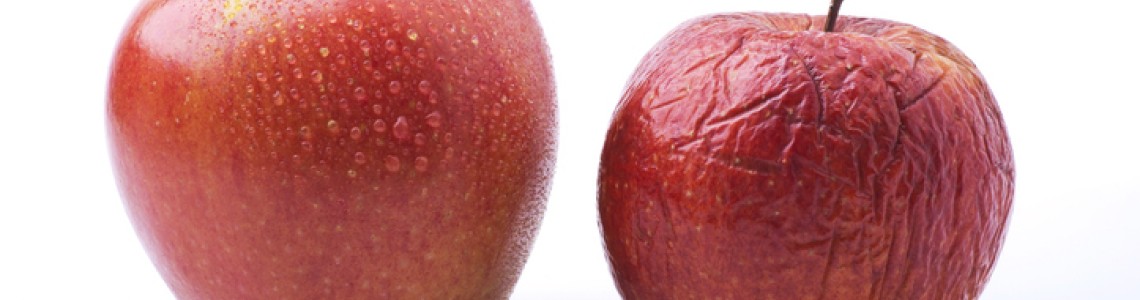
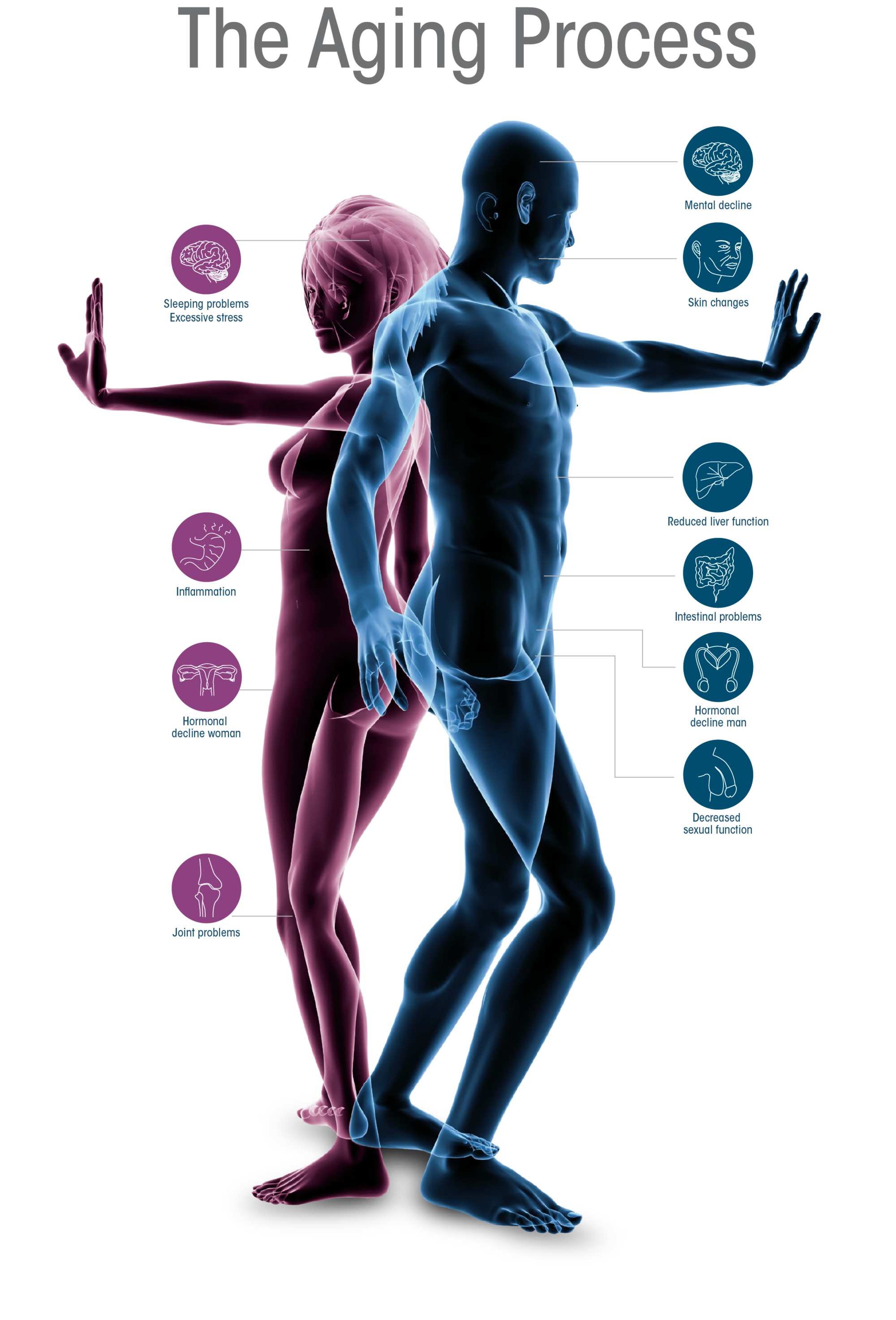
The Aging Process.
Old age is not suddenly creeping up on us by the time we turn 70. Some research studies indicate that aging already starts at birth; even in those early years of life our bodies are subject to change and degenerative processes. However, in these early years development and growth are still at the forefront. The actual aging process starts at the age of 30. Tissue building then gets exceeded by tissue breakdown. You can experience your first hairs turning grey and fine lines start to appear in the face.
Will we notice much about this process at the age of thirty? Not really, not yet. But by the time we get to be 40 or 50 years old, we will start to notice in our bodies and brain that we are getting older. Recovery after exercise takes a bit longer, muscle-fatigue sets in and we get tired more quickly. Our digestive system slows down and we experience discomforts such as bloating or constipation more often. We also experience more side-effects when we enjoy that glass of wine.
But also think of complaints such as aching joints, muscle soreness, stiffness in muscles and joints as well as forgetfulness and problems in concentrating. And the older we get, the more susceptible we are to infection.
We also age visibly.
The skin in our faces gets more wrinkled and grooves and lines will start showing. Our skin looses volume, becomes less firm and age spots will appear. Our hair will get thinner and can become dry. The hairline on the forehead will start to recede in men. And as we age we can become shorter; the discs between our vertebrae experience fluid loss and become flattened. Also, we experience osteoporosis and the flattening of the feet. As a result we 'shrink' a little bit.
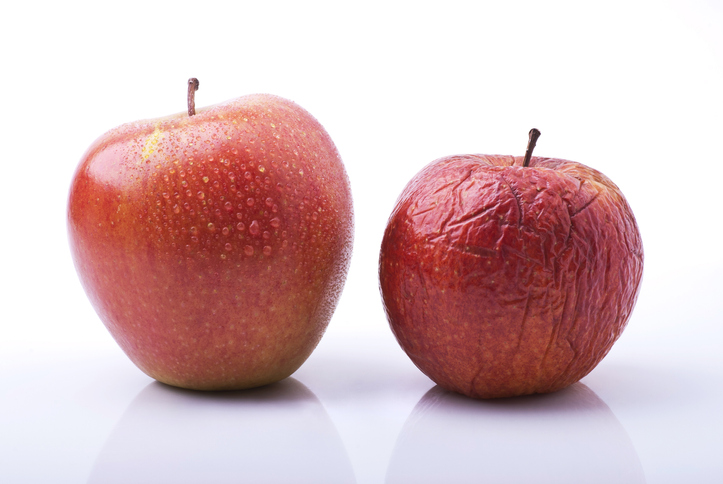
What happens in our bodies as we age? A number of examples:
- there is a decrease in muscle mass and bone mass;
- the skin loses elasticity and becomes more stiff because of a loss of elastic and collagen fibers;
- the skin and mucus membranes become drier and thinner;
- the acidity of the stomach diminishes and gastric emptying slows down;
- bowel movement will decrease and mucus membranes throughout our bodies will become thinner and less humid;
- the swallowing- and cough reflex becomes less effective;
- the lungs will become less elastic, the secondary respiratory muscles weaken and lung capacity diminishes;
- the heart muscle becomes less strong and quality of blood cells will decrease;
- the elasticity of our blood vessels will diminish and the risk of arteriosclerosis will increase;
- the quality of our liver deteriorates which causes the detoxification properties of the liver to become less effective;
- kidney function as well as the function of our bladder and urinary tract will decrease due to aging;
- in both men and women there is a decline in hormone production (reproductive hormones);
- the immune system loses strength and vitality which makes us more susceptible for infections;
- wound recovery slows down;
- blood supply to the brain diminishes, quality and quantity of brain cells decreases and the amount of neurotransmitters starts to decline.
It should be obvious that the aging process progresses in stages and increases with getting older. Furthermore, people age differently. In some people this process takes place quicker than with others. Also, organs and organ systems age differently.
Aging can cause an increase in health problems and ailments.
Consider for example high blood pressure, cardiovascular disease, cancer, infections, diabetes, arteriosclerosis, bone fractures and arthritis. Also, the risk of becoming overweight increases. This is due to the fact that our daily routine contains less exercise, we experience more stress and we are subject to hormonal decline. If you become overweight your chance of health risks increases.
Research has also shown that alcohol consumption increases with age. Frequent consumption of alcohol in older people can cause physical and psychological problems. Due to a number of changes in our aging bodies we tolerate alcohol less well (for instance; our liver function becomes less efficient and the amount of fluid in the body decreases).
And, in addition, the older we get, the more medication we use. But as we get older we can experience more adverse side effects from prescription medication.
Furthermore, we see an increase in psychological complaints such as forgetfulness, concentration decline, sleep problems, anxiety, fear and depression.
Getting older is a natural process, but we do not automatically have to feel older.
But aging does not always have to be accompanied by rapid deterioration or complaints.
Of course, complaints or deterioration do increase with age. Because the older we get, the more vulnerable we are. But it's more important to know that if we have a less healthy and less balanced lifestyle, this aging process occurs at a quicker rate. So, the more you aim for a healthy lifestyle, the less complaints and ailments you will experience.
There is increasing evidence that much of the bodily changes we first attributed to the normal aging process, have a lot more to do with an inactive lifestyle. So, you can actively do something about it!
Suggestions → We can slow down the aging process by:
- eating a healthy and varied diet;
- making sure we ingest the sufficient amount of important nutrients such as vitamins and minerals;
- ensuring adequate hydration during the day;
- exercising regularly;
- not smoking;
- limiting the amount of alcohol intake;
- maintaining a healthy body weight;
- protecting the skin against overexposure to the sun;
- managing stress adequately;
- striving for healthy and sufficient sleep;
- aiming for well balanced psychological health;
- maintaining our social network and contacts;
- continuing to stimulate our cognitive abilities;
- encouraging a sense of purpose and general wellbeing.
To conclude.
It is important to prevent disease or chronic ailments by monitoring your health. For instance blood pressure measurements and checking your blood for high cholesterol or glucose levels. And in case of abnormalities to consult with your physician and taking your medication regularly and in the right dose.
It is also recommended to check your skin regularly for suspicious spots.
Obviously there are factors in the aging process that cannot be influenced, such as our genes, our gender or age. But following a healthy lifestyle up to a higher age is a key factor in how we age.
ReAge originated from the company vision that everybody can age healthy, fit and active.
Based on years of knowledge and experience in the anti-aging industry there was a desire to provide greater support for our consumers in aging healthily. Notably directed at supporting health from the inside out with the intake of high-quality food supplements. Nature has provided us with beneficial natural products for thousands of years such as vitamins, minerals, plants and herbs.
ReAge has formulated these beneficial natural products in effective combinations that are focused on the various aging processes in the body. Simple and clear. Together with a healthy lifestyle we can use these formulas effectively in aging healthier.
Our supplements support aging in the following processes:
- Liver function
- Bowel function and digestion
- Skin health
- Muscles and bones
- Immune system
- Concentration and memory
- Stress and sleep function
- Menopause
- Hormonal decline in men


Leave a Comment